Restaurant Allergen Disclaimer: 7 Mistakes to Avoid
A "may contain" disclaimer doesn't protect guests or your business. The 7 most common restaurant allergen mistakes, what the rules say and how to fix them.
In this article
General information, not legal advice. Rules differ by country and change over time: always check with your local food authority.
A "may contain allergens" disclaimer doesn't protect your guests, and in many countries it doesn't meet the rules either. Guests with allergies need to know which dish contains what, before they order. In the EU and the UK you must give that information for every dish; in the US, the FDA lists 9 major food allergens and several states have their own restaurant rules.
Most allergen problems in restaurants aren't about bad intentions. They're about habits: a recipe that changed, a sauce nobody thought about, a new server guessing. Here are the seven most common mistakes and how to fix each one.
The short version
- Write it down, dish by dish. Not in the chef's head, not "ask the staff" with nothing behind it.
- A disclaimer is not information. "May contain" can sit next to real allergen details, never replace them.
- Update with every change of recipe, ingredient or supplier.
- Check the hidden ones: sauces, stocks, dressings, oils, garnishes, wine.
- Train every shift, so nobody guesses.
What do the rules say?
The details depend on where you are. A quick overview:
| Where | What restaurants must do |
|---|---|
| EU | Give information on the 14 allergens of Regulation 1169/2011 for every non-prepacked dish; each country sets how |
| UK | The same 14 allergens; the Food Standards Agency explains how to provide them |
| US | The FDA lists 9 major food allergens, sesame included since 2023; several states require allergen training or posters in restaurants (see FARE) |
This is general information, not legal advice. Check with your local food authority what applies to your business.
The 7 most common allergen mistakes
1. Relying on a generic disclaimer
"Our food may contain allergens" on the bottom of the menu tells a guest nothing they can act on. It doesn't say whether the risotto has milk or the salad has nuts. Use it, if you like, to explain cross-contact risk, but always next to dish-by-dish information.
2. Keeping it in someone's head
When only the chef knows what's in each dish, the information leaves with them on their day off. Write it down: one line per dish, every allergen listed. Our allergen menu template gives you a ready table.
3. Forgetting to update after a change
A new supplier's bread, a different stock cube, a seasonal garnish: each can bring an allergen the old one didn't have. Make updating the allergen list part of every recipe change, and review it on a fixed date each month.
4. Missing the hidden allergens
The main ingredient is easy. The trouble is in what's around it:
| Where allergens hide | Common examples |
|---|---|
| Sauces and dressings | Mustard, egg in mayonnaise, nuts in pesto, soy in marinades |
| Stocks and soups | Celery, gluten in stock cubes |
| Oils and frying | Shared fryer oil, peanut or sesame oil |
| Breads and coatings | Gluten, sesame, milk, egg wash |
| Drinks | Sulphites in wine, milk in cocktails |
| Garnishes and toppings | Nuts, seeds, cheese |
5. Ignoring cross-contact in the kitchen
A dish can be nut-free on paper and still touch nuts on a shared board, in a shared fryer or from a shared spoon. Decide which dishes you can really prepare safely, and say honestly when you can't guarantee it.
6. Staff who guess
"I think it's fine" is the most dangerous sentence in a dining room. Every server should know where the written information is and that the right answer, when unsure, is "let me check". Brief new staff on day one and repeat it at shift meetings.
7. Making it hard to find
Information hidden in a binder in the office, or only behind a QR code with no paper alternative, fails the guests who need it most. Make it visible: on the menu itself, and on a printed sheet for anyone who asks.
What does good allergen information look like?
- One line under each dish: "Contains: gluten (wheat), milk, egg."
- The exact cereal or nut where it matters: wheat or barley, almond or walnut.
- The same information everywhere: printed menu, digital menu, staff sheet.
- A clear note on cross-contact for the dishes where you can't rule it out.
- A date, so staff know the list is current.
Tags like "vegan" or "gluten-free" help guests browse, but they don't replace the allergen line: a vegan dish can still contain nuts, soy or sesame.
How can a digital menu help?
A digital menu fixes mistakes 3 and 7 at once: you change an allergen in one place and every guest sees it straight away, without reprinting. With Acuolina you pick the allergens on each item, including the exact cereal or nut, and guests see a line like "Contains gluten (wheat) and milk" under the item's name and again in its details. It's included on every plan, together with the QR code menu.
Keep a printed copy too: some guests prefer paper, and some authorities expect written information in the room. Our article on why diners dislike QR menus explains how to offer both without double work.
Where to start this week
- List every dish and its allergens, sauces and garnishes included.
- Check the labels of your current suppliers' products.
- Put the allergen line on your menu and print a staff sheet.
- Brief every server: where the information is, and "let me check" when unsure.
A shorter menu also makes this much easier; see how many items a menu should have. For more, read the digital menu guide, browse our operations articles, or create your menu and add your allergens today.
Frequently asked questions
Is a "may contain allergens" disclaimer enough for a restaurant?
No. A general disclaimer doesn't tell a guest which dishes contain which allergens, and in places like the EU and the UK you must give that information dish by dish. A precautionary line can sit next to proper allergen information, never replace it.
Which allergens must restaurants declare?
In the EU and the UK, the 14 allergens listed in Regulation 1169/2011, such as cereals with gluten, milk, eggs, nuts, peanuts, sesame and sulphites. In the US, the FDA lists 9 major food allergens, including sesame since 2023, and some states add training or poster rules for restaurants.
Who is responsible for allergen information in a restaurant?
The business is. In practice the owner or manager must make sure the information is written down, kept up to date and known by staff on every shift. Your local food authority can tell you exactly what applies to you.
How often should allergen information be updated?
Every time a recipe, an ingredient or a supplier changes, and on a regular check, for example monthly. A new brand of stock or bread can bring an allergen the old one didn't have.
Can I show allergens only on a digital menu?
A digital menu is a great way to show them, but some authorities expect written information to be available in the restaurant too, and some guests can't or won't use a phone. Keep a printed allergen sheet or menu on hand.
How do I add allergens to an Acuolina menu?
Open an item and pick its allergens; for gluten and nuts you can also choose the exact cereal or nut. Guests see a line such as "Contains gluten (wheat) and milk" under the item's name and again in its details, on every plan.
Keep reading
Operations
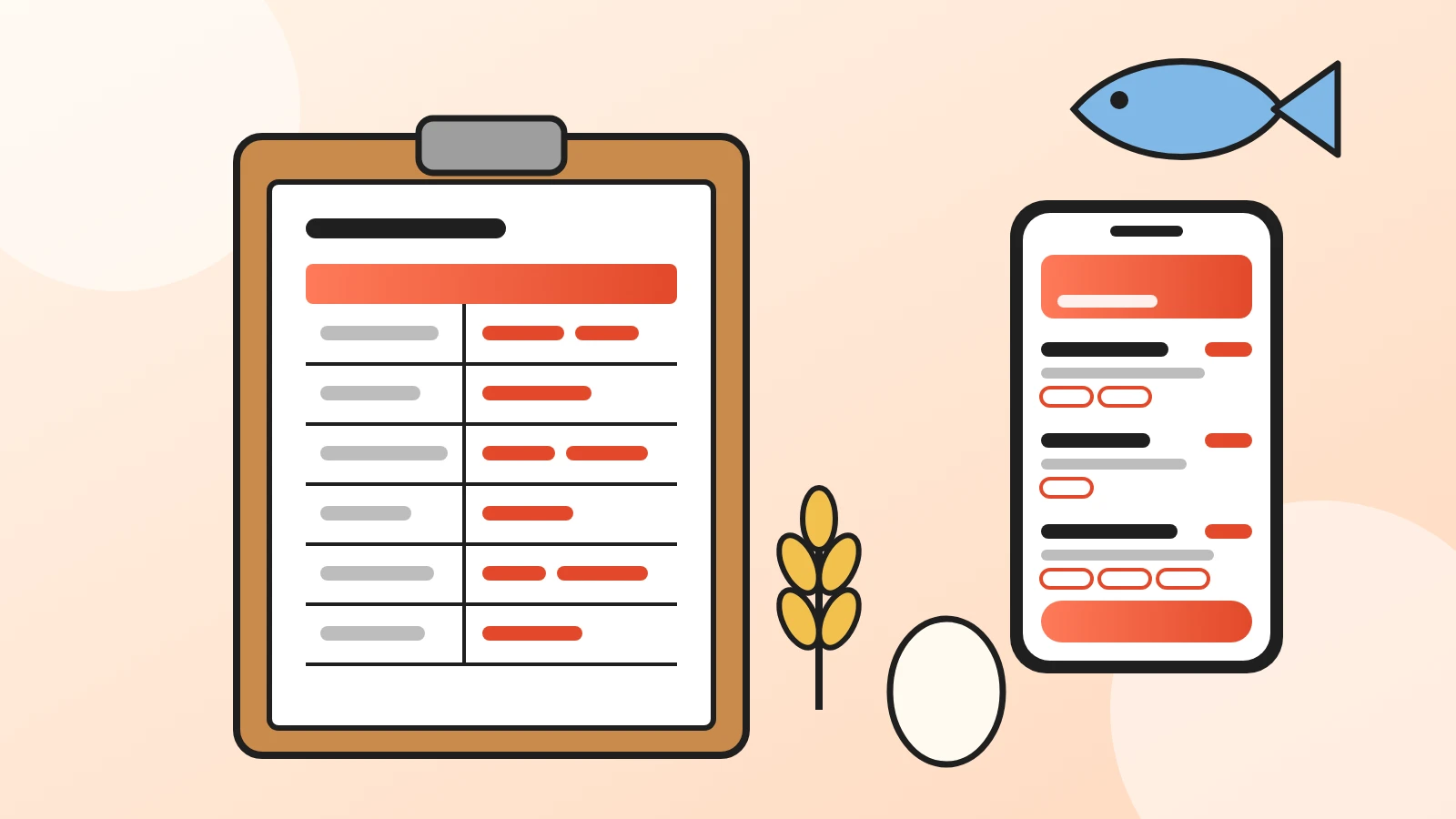
Allergen Menu Template: Free 14 Allergens Table and Rules
Copy a free allergen table for your restaurant menu, with the 14 UK and EU allergens, the 9 US ones and the simple rules for showing them to guests.
Operations
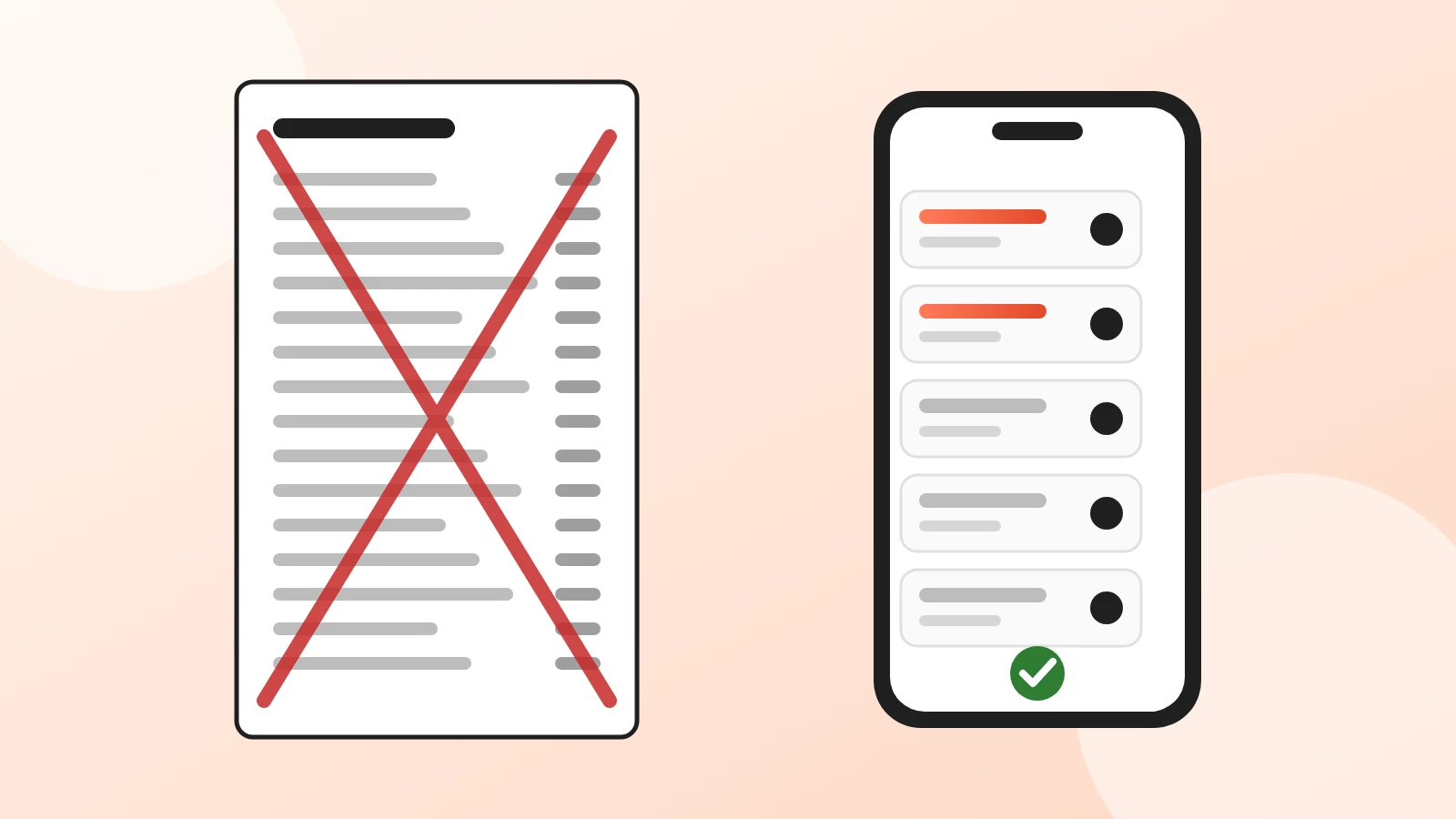
How Many Items Should Be on a Restaurant Menu? (2026)
A long menu feels generous but costs you in waste, prep time and slower orders. How many items to keep per section, and how to cut the rest with data.
QR menus
Digital Menu for Restaurants: The 2026 Guide
What a digital menu is, what it costs, how it differs from menu screens, and how to set one up with QR codes and commission-free ordering.
Your first direct order, tonight.
Create your menu in minutes and get every Chef feature free for 14 days. Then stay on Basic for free, or upgrade.